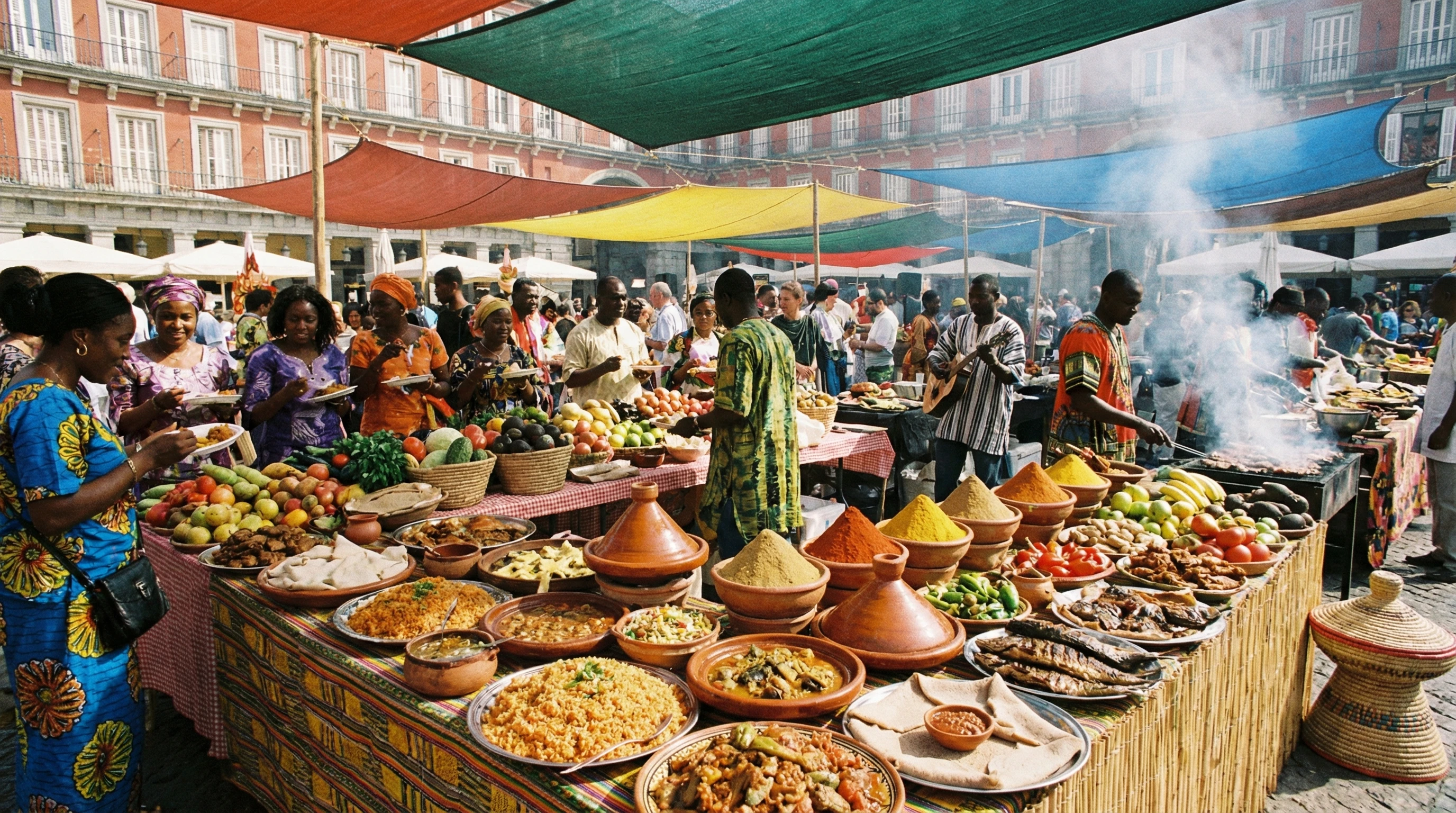
African food festivals offer a flavor-packed celebration of tradition, culture, and togetherness. If you’re someone who loves food, travel, or just stumbling upon new flavors, these festivals are full of irresistible experiences. There’s something about the sights, aromas, and sounds at African food gatherings that turns any trip into a lively adventure. I’m always amazed at how each festival isn’t only about the food; it’s also about community, centuries-old rituals, and sharing good times with others.
Why African Food Festivals Matter
Cooking and sharing meals plays a huge part in African daily life, and festivals lift that bond to another level. These gatherings are all about celebrating cultural diversity, showing off regional specialties, and highlighting culinary creativity. For many Africans (and visitors like me), they offer the perfect chance to taste dishes from different regions, learn stories behind the recipes, and get hands-on with food traditions you might never see at home.
Food festivals in Africa are popular events for locals and travelers alike. They often happen yearly, teaming up with harvests, important rituals, or national holidays. Some focus on specific foods, such as suya (grilled meat skewers), jollof rice, or spicy stews, while others are full-on celebrations with live music, dance, and traditional games. The range is pretty impressive, which is great if you’re someone who likes your food with a side of culture. Many people also jump into these festivals as an opportunity to connect with local farmers and chefs who are eager to share their cooking secrets and traditional techniques. It’s also not unusual to stumble upon fusion dishes where modern chefs cook up something new by mixing together classic African recipes with global flair, making the scene even more exciting.
The Heart of African Culinary Traditions
When it comes to African cuisine, you’ll find recipes passed down through families for generations. Many festival foods honor these methods, so you get to see (and taste) how ingredients like millet, cassava, yams, and plantains are transformed into mouthwatering dishes.
African cooking techniques often use open flames, clay pots, and pounding or roasting methods. Sauces and stews might simmer for hours, soaking up local spices such as ginger, garlic, peppers, or grains of paradise. Whether you’re tasting a Moroccan tagine cooked slowly in a clay pot or a Ghanaian fufu meal made fresh at a festival stall, there’s something really special about the hands-on skill and time that goes into these dishes. Festivals not only give a boost to traditional foods but spotlight how contemporary African chefs add to the experience by putting their own creative spin on time-honored meals. This blend of past and present is part of what makes each festival so memorable.
- Shared Meals: Most African cultures serve meals familystyle, emphasizing togetherness and conversation.
- Local Ingredients: Lots of festival dishes use ingredients found at local markets, including fresh vegetables, spices, and fish or meats straight from nearby farms and rivers.
- Classic Cooking Methods: From slowroasting meats to pounding yam for pounded yam or making injera (Ethiopian sourdough flatbread), many food traditions focus on handmade, small batch cooking.
Classic drinks also play a part in the festivities, with palm wine, flavored teas, and fresh juices often passed around community-style. Learning to spot the subtle differences in preparation and flavor from region to region can be a fun part of any food festival trip. Sometimes, you’ll even find chefs who let it rip by opening up their kitchen for behind-the-scenes tours so visitors can see how the magic happens.
Popular African Food Festivals Worth Checking Out
Across Africa, dozens of food festivals bring crowds together each year. These are some of my favorites and definitely worth the trip if you want to experience African culinary culture up close:
- Lagos Food Festival (Nigeria)
This massive event spotlights Nigeria’s vibrant cuisine, from street snacks like puffpuff (fried dough balls) to crowdpleasing classics like jollof rice. Cooking competitions, tastings, and chef showcases fill the event, so it’s great for both foodies and chefs looking for inspiration. At the Lagos festival, you might also catch pop-up workshops, local music, and plenty of tasty nonalcoholic drinks that reflect Nigeria’s colorful beverage traditions. - Cape Town Street Food Festival (South Africa)
Vendors gather in the heart of Cape Town to sell everything from bunny chow (hollowed bread stuffed with curry) to Cape Malay desserts, with local musicians keeping the energy up. If you love food trucks and modern twists on classic recipes, this South African festival hits the spot. - Accra Food Festival (Ghana)
This lively affair brings Ghanaians and visitors together over bowls of waakye (rice and beans with spicy sauce), banku and tilapia, and tempting local drinks. You’ll find workshops on Ghanaian cooking, friendly cookoffs, and opportunities to buy handmade kitchenware that ties into Ghana’s cooking legacy. - Marrakech Popular Arts Festival (Morocco)
Here, you get way more than just food: there are storytelling sessions, dances, and dramatic reenactments. In the food courts, vendors serve sleek tagines, steaming mint tea, and grilled meats, giving you a real taste of Moroccan hospitality. Take time to wander the markets where spice sellers break it down for the curious, offering tips and stories about local favorites.
Getting the Most Out of an African Food Festival
Attending these festivals is equal parts food adventure and cultural discovery. Over the years, I’ve picked up a few tips to make the most out of the festival experience:
- Arrive Early: The best dishes and freshest snacks often go quickly. Early arrivals get their pick of street food and a quieter atmosphere to chat with chefs and vendors.
- Try New Foods: Even if a dish looks unfamiliar or has a quirky name, give it a go. Some of the best bites come from trying something totally new.
- Ask About Traditions: Vendors and cooks are usually happy to explain the story behind a dish, the region it comes from, or the specific cooking techniques they use. These stories turn a tasty meal into an unforgettable memory. Sometimes, learning the simple background of a dish—or even how it’s supposed to be eaten—can make the whole meal memorable.
- Participate in Demos: Many festivals offer cooking workshops or taste tests. Taking part teaches you new skills, and you’ll walk away with recipes or handy kitchen tricks you can try later. Also, don’t miss out on live cooking battles where emerging chefs set free their creativity in front of cheering crowds.
Things to Know Before You Go
Food festivals can be a feast for the senses, but a bit of planning makes the day even smoother. Here are a few things I’ve learned from my festival trips:
- Dress Comfortably: African food festivals usually mean walking, standing, and sometimes dancing. Comfy shoes and weatherappropriate clothes go a long way.
- Bring Cash: While some vendors may accept cards, cash is still king at many festivals, especially in busy outdoor markets.
- Pace Yourself: With so many dishes to try, taking breaks between tastings helps you enjoy more flavors without feeling too full. You’ll be glad you saved room when you stumble upon the final, sweet treat at the end of the day!
- Bring an Appetite: This one sounds obvious, but with food filling every corner of the festival, skipping breakfast might just be a good idea!
Festival Example: Experiencing Ethiopian Coffee Ceremonies
One of my favorite memories was trying an Ethiopian coffee ceremony at a festival in Addis Ababa. It’s more than just a quick cup; the ceremony can last an hour, and every step—from roasting the beans on a grill to pouring in tiny cups—feels like a performance. Locals gather around, sharing stories and passing small snacks (like popcorn or roasted barley) as the aroma fills the air. It’s handsdown one of the best ways to soak up Ethiopian hospitality and get a sense of the deep-rooted role coffee plays in their culture. If you get the chance, make time for this ritual at any Ethiopian festival.
Beyond the Food: Music, Art, and Community
While food is the main event, African festivals often feature music, dance, and handmade arts. You’ll spot local musicians playing drums, dancers performing classic moves, and artists selling woven baskets or jewelry. It all blends into the overall energy; people laughing, sharing, and celebrating life together. The combo of storytelling, dance, and fresh comfort food makes for a pretty unbeatable experience. Sometimes, children join in the dancing, and festival-goers get involved by learning drum rhythms or picking up quick art-making workshops. It’s a real immersion into local culture.
Frequently Asked Questions
If you haven’t been to an African food festival before, here are a few quick answers to questions I hear a lot:
Question: Are African food festivals beginnerfriendly?
Answer: For sure! Most festivals are open air, family oriented, and make everyone feel welcome. Locals enjoy sharing their food and traditions with visitors, so you don’t need to know much before you go. Just show up with curiosity and an appetite.
Question: What if I have dietary restrictions?
Answer: There are usually vegetarian, vegan, and glutenfree options at larger festivals, but it’s smart to ask vendors what’s in each dish. Many dishes focus on veggies, beans, and grains, so there’s likely something for everyone.
Question: Can you buy ingredients at these festivals?
Answer: Plenty of festivals have market stalls selling spices, sauces, or even whole meal kits to take home. It’s a fantastic way to bring a taste of your festival day back to your own kitchen. In fact, some festivals even hand out recipe booklets or sample packs so you can try your hand at traditional cooking once you’re home.
Tips for Bringing the Festival Experience Home
If hopping on a plane to Africa isn’t in the cards, you can still get into African festival flavors at home. I’ve found that a handful of easy steps can bring the whole vibe to your kitchen table:
- Pick up African spice blends such as berbere (Ethiopian), suya spice (Nigerian), or ras el hanout (Moroccan) at global markets or online.
- Follow African chefs on social media or YouTube. Many share festivalinspired recipes you can try with regular grocery store ingredients.
- Invite friends and family to share dishes, potluck style. Sharing a meal is the heart of most African festivals, and it makes every bite more fun!
- Try creating a playlist of African music to set the scene and encourage everyone at the table to share stories or traditions while you eat. This helps build that celebration feeling right in your own home.
Food festivals in Africa do more than just fill bellies; they build connections, celebrate heritage, and spark epic adventures, one bite at a time. If you ever get a chance, visiting one is a truly memorable way to taste Africa’s incredible variety and spirit. Wrapping up, it’s clear that African food festivals offer so much more than great meals – they offer a window into the heart and soul of a continent where food, music, community, and tradition come together in unforgettable ways. Whether abroad or in your own living room, there’s always a new flavor or story waiting for you to stumble upon and share.